Welcome to Hebert Septic Services
Local Septic Pumping, Repair & Maintenance in Floyd, Polk, Bartow, Gordon & Chattooga Counties, GA
Hebert Septic Services proudly provides reliable septic system care for homeowners and commercial properties throughout Northwest Georgia, including Floyd County, Polk County, Bartow County, Gordon County, and Chattooga County. If you need septic tank pumping, septic repair, drain field help, or routine maintenance, our local team is here to deliver fast, affordable service you can trust.
Reach Out to Learn More Today!
Thank you for connecting with Hebert Septic LLC. By submitting this form/clicking here and signing up for texts, you consent to receive marketing text messages (e.g. promos, cart reminders) from us at the number provided. Consent is not a condition of purchase. Msg & data rates may apply. Msg frequency varies. Unsubscribe at any time by replying STOP or clicking the unsubscribe link (where available). HELP for assistance. Privacy Policy & Terms
10+yrs
Experience
24/7
Service Hours
#1
Local Choice
GA
Licensed & Insured
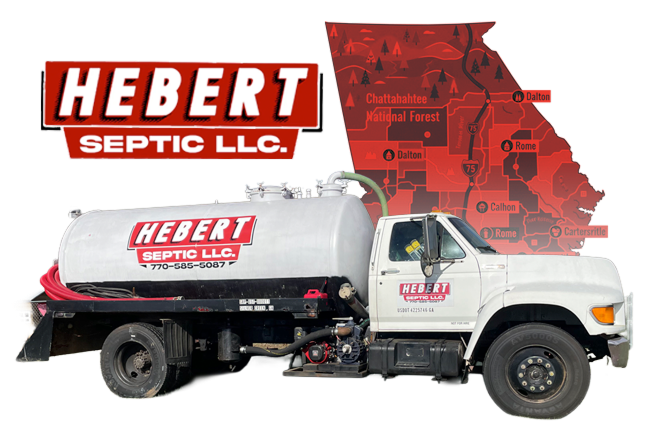
Professional Septic Services You Can Trust in Northwest Georgia
At Hebert Septic Services, our mission is to provide exceptional septic services that protect your family’s health and property. We believe in building long-term relationships with our community through integrity, honesty, and reliable service.
We understand that septic system issues can be stressful and inconvenient. That’s why we prioritize prompt response times, clear communication, and thorough work that addresses the root cause of problems rather than just treating symptoms.
The Hebert Difference
Our mission is to provide dependable, affordable septic system solutions that protect your home, property, and family. Septic issues can cause major disruptions when they aren’t handled quickly. That’s why we focus on fast scheduling, clear communication, and long-term system health.
Every service begins with a thorough inspection. We explain what we find, walk you through your options, and recommend only what your system truly needs. No pressure, no upselling — just reliable, honest septic service from a team local residents know and trust.
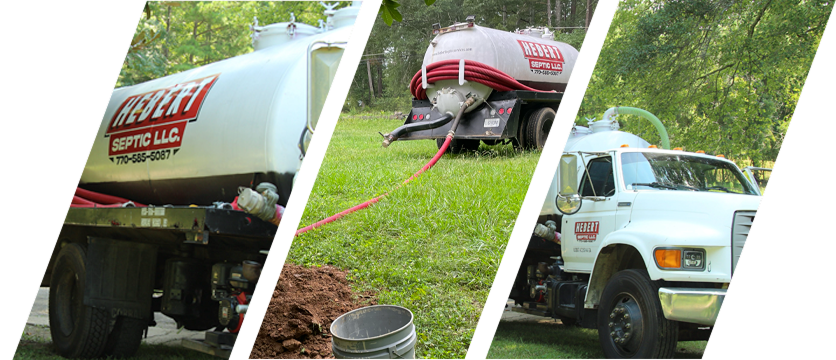
Comprehensive Septic Services
Our mission is to provide dependable, affordable septic system solutions that protect your home, property, and family. Septic issues can cause major disruptions when they aren’t handled quickly. That’s why we focus on fast scheduling, clear communication, and long-term system health.
Every service begins with a thorough inspection. We explain what we find, walk you through your options, and recommend only what your system truly needs. No pressure, no upselling — just reliable, honest septic service from a team local residents know and trust.
We proudly offer a complete range of septic services for properties throughout Rome GA, Cedartown GA, Cartersville GA, Calhoun GA, Rockmart GA, Summerville GA, and nearby communities — including pumping, cleaning, repairs, drain field evaluation, septic installation, and preventative maintenance.
Septic Repair Services
- Locating and repairing broken or collapsed septic lines
- Clearing blockages to restore proper flow
- Pump and motor repairs or replacements
- Drain field troubleshooting and oversaturation correction
- Septic tank repair for cracks, leaks, or structural damage
- Backup diagnostics and emergency repair
- Fixing issues caused by aging, overloaded, or improperly installed systems
Septic Maintenance & System Inspection in Northwest Georgia
Regular septic tank cleaning — also known as septic pumping — is essential for avoiding backups, odors, and costly system damage. Over time, sludge and solids accumulate in the tank, making routine cleaning one of the most important forms of septic system care.
We provide fast, affordable septic tank pumping for homes and businesses throughout Rome, Cedartown, Cartersville, Calhoun, Rockmart, and Summerville.
Septic Cleaning Services
- Full septic system inspections
- Monitoring tank levels and drainage efficiency
- Cleaning or replacing effluent filters
- Assessing drain field absorption and soil conditions
- Identifying early signs of clogs, backups, or overloading
- Checking for root intrusion and line damage
- Custom recommendations based on your system and property
Need Septic Service in Northwest Georgia? We’re Ready to Help.
FAQs
How often should a septic tank be pumped in Georgia?
Most septic tanks in Georgia should be pumped every 3 to 5 years, depending on household size, tank capacity, and overall usage. Homes with larger families or older septic systems may require more frequent pumping. Regular septic tank pumping helps prevent backups, foul odors, drain issues, and costly system failures. If you’re unsure how often your system needs service, a local septic technician can evaluate your tank levels and recommend the right maintenance schedule.
What are the signs that a septic system needs repairs?
Common signs that a septic system needs repair include:
- Slow or gurgling drains
- Sewage odors inside or outside the home
- Standing water near the septic tank or drain field
- Backups in toilets or sinks
- Bright, spongy, or unusually green grass over the drain field
If you notice any of these symptoms, it’s important to schedule a septic inspection quickly. Ignoring early warning signs can lead to expensive repairs or system failure.
How do I know if my septic tank needs to be cleaned?
A septic tank typically needs cleaning when solids build up to the point of reducing tank capacity. Warning signs include slow drains, foul smells, bubbling toilets, or frequent backups. Many homeowners schedule a cleaning every 3–4 years as preventative care. Regular septic cleaning (pumping) removes sludge and prevents damage to your drain field, pipes, and tank.
What is included in a septic system maintenance service?
Routine septic maintenance usually includes tank level measurements, system inspection, filter cleaning, checking for leaks or blockages, evaluating drain field performance, and making recommendations for future care. Regular septic maintenance prevents unexpected emergencies and keeps your system functioning safely and efficiently.
Can heavy rain cause septic system problems?
Yes. Heavy rain and saturated soil can overwhelm a drain field, causing slow drainage, backups, or pooling water in the yard. Homeowners in Georgia often experience septic issues after storms. If your system struggles after rainfall, a septic professional may need to inspect the drain field for oversaturation or proper soil absorption.
How long does a septic system last?
With proper maintenance, a septic system can last 25–40 years or longer. Factors that impact lifespan include tank material, soil conditions, household usage, and how well the system has been maintained over time. Regular pumping and inspections significantly extend the life of your septic system.
What should homeowners avoid putting down their drains?
To keep your septic system healthy, avoid flushing or rinsing items such as:
- Grease and cooking oils
- Wipes (even “flushable” ones)
- Feminine products
- Harsh chemicals or drain cleaners
- Coffee ground
- Cat litter
- Excessive food waste
These materials can clog your system, kill beneficial bacteria, or damage the drain field.
Do septic systems require professional inspections?
Yes. Septic inspections help identify early problems before they become emergencies. Most real estate transactions require septic inspections, but homeowners should also schedule one every 1–3 years. Inspections help keep the tank, drain field, and system components functioning properly and safely.
What is the difference between septic cleaning and septic maintenance?
Septic cleaning (pumping) removes solid waste and sludge from the tank. Septic maintenance includes inspections, filter cleaning, flow checks, drain field evaluations, and preventative care. Both services are essential for keeping your septic system operating efficiently and avoiding major repairs.
Can septic systems be repaired, or do they need replacement?
Most septic issues — such as clogged lines, pump failures, or minor drain field problems — can be repaired. Full system replacement is usually only needed when the tank is severely damaged, the drain field fails, or the system is too old to restore. A septic inspection can determine whether repair or replacement is the best option.